
The Thrill of Uncertainty
The intrigue of casino games often lies in the thrill of uncertainty. Players are drawn to the unpredictable nature of outcomes, sparking excitement in their brains. This uncertainty triggers the release of dopamine, a neurotransmitter associated with pleasure and reward. When engaging in a game of chance, the anticipation—whether it’s the roll of the dice or the spin of a wheel—creates a heightened emotional state that can be intoxicating. For those seeking a top-tier experience, the best online casino options provide thrilling games that keep players engaged for longer while reinforcing the behavior, as they chase the exhilarating feeling of winning.
Moreover, this thrill can become addictive. Gamblers may develop a strong desire to continue playing, seeking that rush of excitement with each round. This is not merely about the potential for financial gain; it’s about the psychological stimulation that comes from navigating the unknown. Casinos are designed to amplify this sense of uncertainty, with colorful lights, sounds of winnings, and an overall environment that keeps players on their toes, further enhancing their emotional experience. The environment itself acts as a catalyst for the emotional highs that gambling can produce.
Additionally, the psychology behind gambling extends to how players perceive luck and skill. While some games involve significant skill, such as poker, others are purely chance-based. This duality often leads individuals to believe they have control over outcomes, which encourages them to play more. This belief in luck can be a double-edged sword, as it can motivate people to engage in games with the hope of winning big, but it can also lead to negative consequences, such as gambling addiction when the thrill overshadows rational decision-making. Understanding this psychology is crucial for both players and those who wish to help them.
The Role of Reinforcement
The concept of reinforcement plays a crucial role in the psychology of casino games. Positive reinforcement, in the form of wins, can strengthen the desire to engage in gambling behavior. Casinos are strategically designed to maximize these reinforcement schedules. For instance, slot machines often pay out small wins frequently while reserving larger jackpots for less frequent occurrences. This design keeps players engaged without them feeling like they are losing constantly. The psychological effect of this intermittent reinforcement is powerful, creating a compelling incentive for repeat play.
Furthermore, the emotional response to losses is an important aspect of this reinforcement cycle. Players often experience a phenomenon known as loss aversion, where the pain of losing is felt more intensely than the joy of winning. To counteract the negative feelings associated with losses, players may return to the casino in hopes of recovering their losses. This cycle can lead to a larger pattern of behavior, where individuals feel compelled to play more in pursuit of that elusive win that will offset their earlier losses. The emotional stakes of gambling are intricately tied to these psychological patterns.

In addition, casinos employ various tactics such as loyalty programs and promotional offers to encourage repeat play. These programs reinforce the behavior of returning to the casino by rewarding players with benefits that seem tangible but often promote continued gambling. The psychological strategy here is clear; by making players feel valued and acknowledged, casinos cultivate a sense of belonging that drives more frequent visits and prolonged playtime. This connection creates a loop of engagement that can be difficult for players to break free from.
The Impact of Social Environment
The social dynamics within a casino can significantly influence a player’s experience and decision-making process. Casinos are designed to be vibrant social hubs, where interactions between players can lead to a thrilling communal experience. Engaging with others in games can create a heightened sense of excitement and competition, pulling individuals deeper into the gambling atmosphere. This communal aspect offers not only entertainment but also a shared emotional journey among players, reinforcing their decisions to gamble.
Moreover, the presence of other players can amplify emotional highs and lows. When someone wins, their emotions can create a ripple effect, encouraging others in their vicinity to engage in more play. This phenomenon is particularly evident in games like poker and blackjack, where players interact directly with one another. The social pressure to perform and the shared joys of winning can lead players to gamble more than they might have originally intended, tapping into group dynamics to enhance the overall gaming experience. This social influence often plays a critical role in decision-making.
Additionally, the impact of the environment extends beyond social interactions. The visual design of a casino—bright lights, lively sounds, and the buzz of excitement—creates a stimulating atmosphere that can overwhelm the senses. This sensory overload can lead to a more immersive experience, distracting players from their losses or the amount of time spent gambling. Ultimately, the environment, paired with social dynamics, plays a pivotal role in shaping gambling behavior and can lead individuals to spend more time and money in pursuit of continued thrills. Understanding these influences can help in developing healthier gaming environments.
Cognitive Biases and Decision Making
Cognitive biases significantly impact how individuals engage with casino games and make decisions while gambling. One prevalent bias is the gambler’s fallacy, where players mistakenly believe that past events influence future outcomes. For example, a player might think that a number is ‘due’ to come up after it hasn’t appeared for a while, leading them to make illogical betting choices. This illustrates how cognitive distortions can cloud judgment and drive players to gamble in ways that contradict statistical reality. Such biases often lead to repeated mistakes and increased losses.
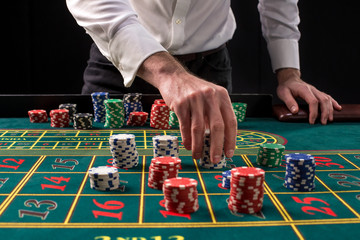
Another common bias is the illusion of control. Many players believe they can influence the outcome of games that are purely based on chance, such as slot machines. This belief may lead them to develop superstitions or rituals that they feel will improve their odds, ultimately affecting their decision-making process. For instance, a player might choose specific numbers or follow a sequence of bets based on previous experiences, reinforcing the idea that they can strategize their way to a win, even when the odds remain unchanged. This cognitive distortion can significantly affect their financial choices.
Additionally, near-miss experiences can significantly alter players’ perceptions and entice them to continue gambling. When players come close to winning, such as almost hitting the jackpot on a slot machine, they often feel a rush of excitement that reinforces their desire to continue playing. This phenomenon can lead to an overestimation of their chances of success, creating a cycle where players chase the feeling of a near-win, blurring the lines between rational decision-making and emotional responses. These cognitive biases can lead to reckless gambling behavior that may have long-term consequences.
Understanding Casino Psychology Through Research
The exploration of casino psychology is a field that has garnered significant academic interest in recent years. Researchers have delved into the intricacies of why individuals are drawn to gambling and the psychological mechanisms that keep them engaged. Studies often utilize behavioral data to understand patterns of play, motivations behind gambling, and how various psychological factors contribute to gambling addiction. This research is essential in informing both the gambling industry and individuals about the potential risks associated with excessive gaming, helping to foster safer environments.
Moreover, behavioral economics plays a crucial role in understanding casino psychology. This interdisciplinary field combines psychological insights with economic theory to evaluate how cognitive biases affect decision-making in gambling contexts. By examining how players behave in different scenarios, researchers can formulate strategies that not only improve responsible gambling practices but also inspire interventions for those struggling with gambling addiction. Such research efforts aim to create a safer gambling environment that balances enjoyment with awareness of the associated risks.
Lastly, educational initiatives have emerged from this research, focusing on increasing awareness about gambling behaviors and promoting responsible gaming. Many casinos are now integrating such educational programs that highlight the importance of understanding the psychological aspects of gambling. By providing resources and knowledge, both players and casino operators can work together to foster a more informed playing environment that recognizes the psychological underpinnings of casino gaming and encourages healthier gambling habits. This collaborative approach can significantly impact the well-being of players.